
 English


Views: 0 Author: Site Editor Publish Time: 2025-11-05 Origin: Site


In the realm of modern automotive technology, the MAP Sensor plays a pivotal role in the efficient functioning of an engine's electronic control system. This component, often overlooked, is crucial for optimizing engine performance, ensuring fuel efficiency, and reducing emissions. As the automotive industry continues to evolve, understanding the intricacies of the MAP Sensor becomes increasingly important. For those interested in delving deeper into the world of automotive sensors, the MAP Sensor offers a gateway to enhanced engine management.
The Manifold Absolute Pressure (MAP) Sensor is an integral component of an engine's electronic control system. It measures the pressure within the intake manifold and provides this data to the engine control unit (ECU). This information is crucial for determining the optimal air-fuel mixture for combustion. By accurately gauging the manifold pressure, the MAP Sensor helps in adjusting the fuel injection and ignition timing, thereby enhancing engine performance and efficiency.
The primary function of the MAP Sensor is to monitor the engine load by measuring the air pressure in the intake manifold. This data allows the ECU to calculate the air density and adjust the fuel delivery accordingly. A reliable MAP Sensor ensures that the engine operates smoothly, with optimal power output and fuel efficiency. In addition, it plays a significant role in reducing harmful emissions, making it an essential component for meeting environmental regulations.
There are several types of MAP Sensors available in the market, each designed to meet specific requirements. The most common types include analog and digital MAP Sensors. Analog MAP sensors provide a continuous voltage output that varies with the manifold pressure, while digital MAP sensors offer a more precise output in the form of a digital signal. The choice between these types depends on the specific needs of the vehicle and the desired level of accuracy.
MAP Sensors are crucial for maintaining optimal engine performance. By providing real-time data on manifold pressure, they enable the ECU to make precise adjustments to the air-fuel mixture. This ensures that the engine operates efficiently, with minimal fuel consumption and reduced emissions. In high-performance vehicles, a smart MAP Sensor can significantly enhance acceleration and power output, providing a smoother and more responsive driving experience.
One of the key benefits of a well-functioning MAP Sensor is improved fuel efficiency. By accurately measuring the manifold pressure, the sensor helps the ECU optimize the air-fuel mixture, ensuring that the engine uses the right amount of fuel for the given conditions. This not only reduces fuel consumption but also minimizes the production of harmful emissions. A fuel-efficient MAP Sensor is therefore essential for both economic and environmental reasons.
A reliable MAP Sensor contributes to the longevity of the engine by ensuring that it operates under optimal conditions. By preventing issues such as knocking and detonation, the sensor helps reduce wear and tear on engine components. This not only extends the lifespan of the engine but also reduces maintenance costs over time. Investing in a high-quality OEM MAP Sensor can therefore be a wise decision for vehicle owners looking to maximize the lifespan of their engines.
Selecting the right MAP Sensor for a vehicle involves considering several factors, including compatibility, accuracy, and durability. It is essential to choose a sensor that is compatible with the vehicle's make and model to ensure optimal performance. Additionally, the sensor should offer high accuracy to provide reliable data to the ECU. Durability is also a crucial factor, as the sensor needs to withstand the harsh conditions of the engine environment.
When choosing a MAP Sensor, vehicle owners often face the decision between OEM and aftermarket options. OEM (Original Equipment Manufacturer) sensors are designed specifically for the vehicle and offer a perfect fit and high reliability. Aftermarket sensors, on the other hand, may offer cost savings but can vary in quality and compatibility. For those seeking the best performance and longevity, investing in an OEM MAP Sensor is often the recommended choice.
When selecting a MAP Sensor, it is important to consider factors such as the sensor's response time, temperature range, and pressure range. A sensor with a fast response time ensures that the ECU receives real-time data, allowing for quick adjustments to the air-fuel mixture. The temperature and pressure ranges should also match the operating conditions of the vehicle to ensure accurate readings. Consulting with a reputable MAP Sensor manufacturer can provide valuable insights into the best options available.
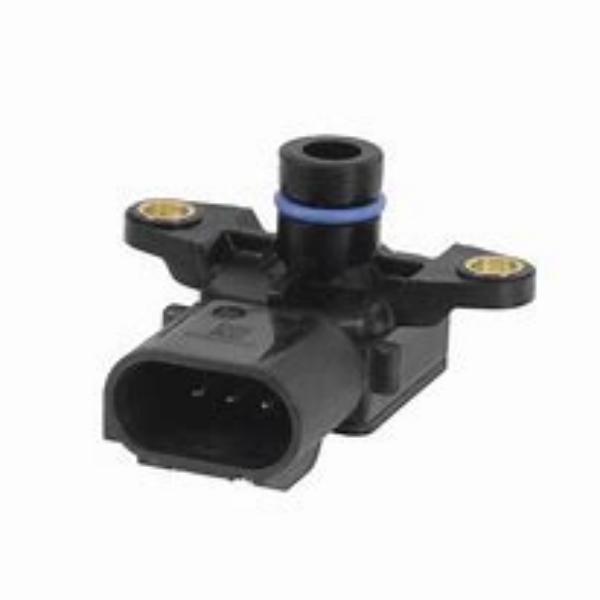
Despite their importance, MAP Sensors can sometimes encounter issues that affect their performance. Common problems include sensor failure, wiring issues, and vacuum leaks. These issues can lead to symptoms such as poor engine performance, increased fuel consumption, and rough idling. Identifying and addressing these problems promptly is crucial to maintaining optimal engine performance.
Diagnosing issues with a MAP Sensor involves checking the sensor's output voltage and comparing it to the manufacturer's specifications. A multimeter can be used to measure the voltage and determine if the sensor is functioning correctly. Additionally, inspecting the wiring and connectors for damage or corrosion can help identify potential issues. If the sensor is found to be faulty, replacing it with a new, reliable MAP Sensor is often the best solution.
To prevent issues with the MAP Sensor, regular maintenance is essential. This includes cleaning the sensor and its surrounding components to remove dirt and debris that can affect its performance. Additionally, checking the vacuum hoses for leaks and ensuring that the wiring is in good condition can help maintain the sensor's functionality. By following these preventive maintenance tips, vehicle owners can ensure that their MAP Sensor continues to operate efficiently.
In conclusion, the MAP Sensor is a vital component of an engine's electronic control system, playing a crucial role in optimizing performance, fuel efficiency, and emissions. Understanding its functionality and importance can help vehicle owners make informed decisions when selecting and maintaining their sensors. By investing in a high-quality, reliable MAP Sensor, drivers can ensure that their engines operate smoothly and efficiently, contributing to a more sustainable and cost-effective driving experience. For more insights into selecting the right sensor, consulting with a trusted MAP Sensor manufacturer is highly recommended.
1. What is the primary function of a MAP Sensor?
The primary function of a MAP Sensor is to measure the pressure within the intake manifold and provide this data to the engine control unit (ECU) to optimize the air-fuel mixture for combustion.
2. How does a MAP Sensor improve fuel efficiency?
By accurately measuring the manifold pressure, the MAP Sensor helps the ECU adjust the air-fuel mixture, reducing fuel consumption and minimizing harmful emissions.
3. What are the differences between analog and digital MAP Sensors?
Analog MAP Sensors provide a continuous voltage output, while digital sensors offer a precise digital signal, with the choice depending on the vehicle's specific needs.
4. Why is it important to choose an OEM MAP Sensor?
OEM MAP Sensors are designed specifically for the vehicle, offering a perfect fit and high reliability, ensuring optimal performance and longevity.
5. What are common issues with MAP Sensors?
Common issues include sensor failure, wiring problems, and vacuum leaks, which can lead to poor engine performance and increased fuel consumption.
6. How can I diagnose a faulty MAP Sensor?
Diagnosing a faulty MAP Sensor involves checking the sensor's output voltage with a multimeter and inspecting the wiring and connectors for damage.
7. What preventive maintenance can ensure a MAP Sensor's longevity?
Regular cleaning, checking vacuum hoses for leaks, and ensuring wiring is in good condition are key preventive maintenance steps for a MAP Sensor.


